Brooklin Claims Consultants Nominated for 3 Modern Claims Awards
January 14, 2026
When evaluating property insurance claims, it’s important to understand the key differences. Filing a property damage insurance claim in the UK can feel like stepping into unfamiliar territory.
Policies are dense with technical language, and the stakes are high when your home or business has suffered damage. This UK property insurance claims glossary breaks down the essential terms you’ll encounter, from coverage types to settlement calculations.
Understanding these definitions puts you in a stronger position when dealing with insurers, helping you spot potential issues and know when professional support, such as a loss assessor, might be worthwhile. Whether you’re facing a burst pipe, fire damage, or storm destruction, knowing the vocabulary gives you confidence throughout the claims process.
Essential Terminology for Property
Insurance Claims UK
Understanding Buildings vs. Contents Cover
Your property policy likely separates coverage into two distinct categories. Buildings insurance protects the physical structure: walls, roof, floors, fitted kitchens, bathrooms, and permanent fixtures.
This extends to outbuildings, garages, fences, and driveways. Contents insurance covers moveable possessions inside your property, from furniture and electronics to clothing and personal items. Some policies bundle both, while others require separate purchases.
The distinction matters because damage often affects both categories differently, and each has its own sum insured limit.
Defined Perils: Fire, Flood, and Escape of Water
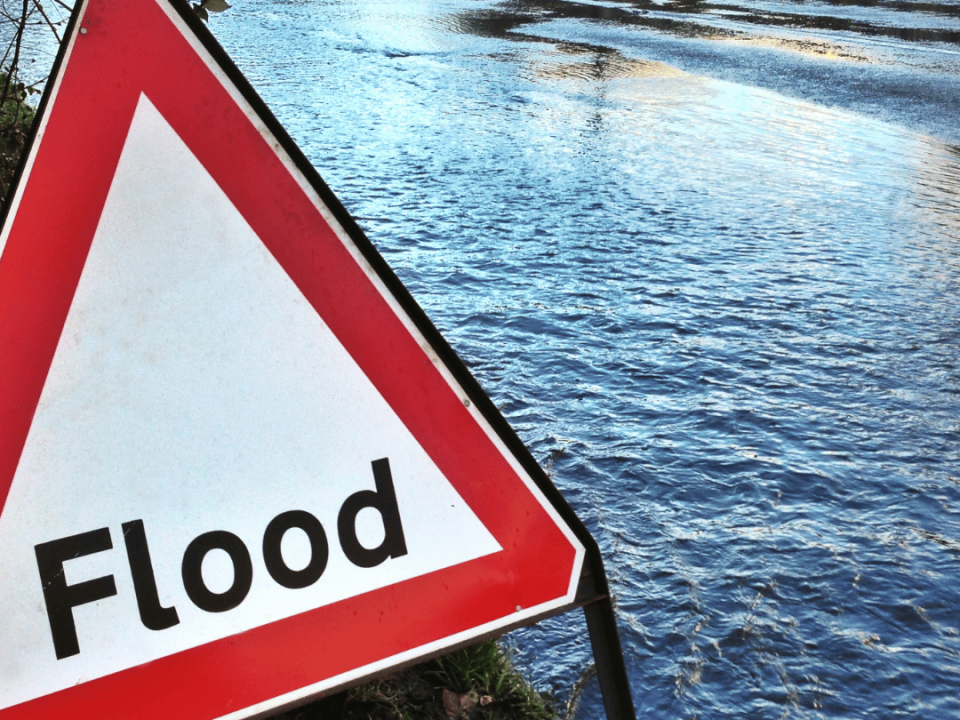
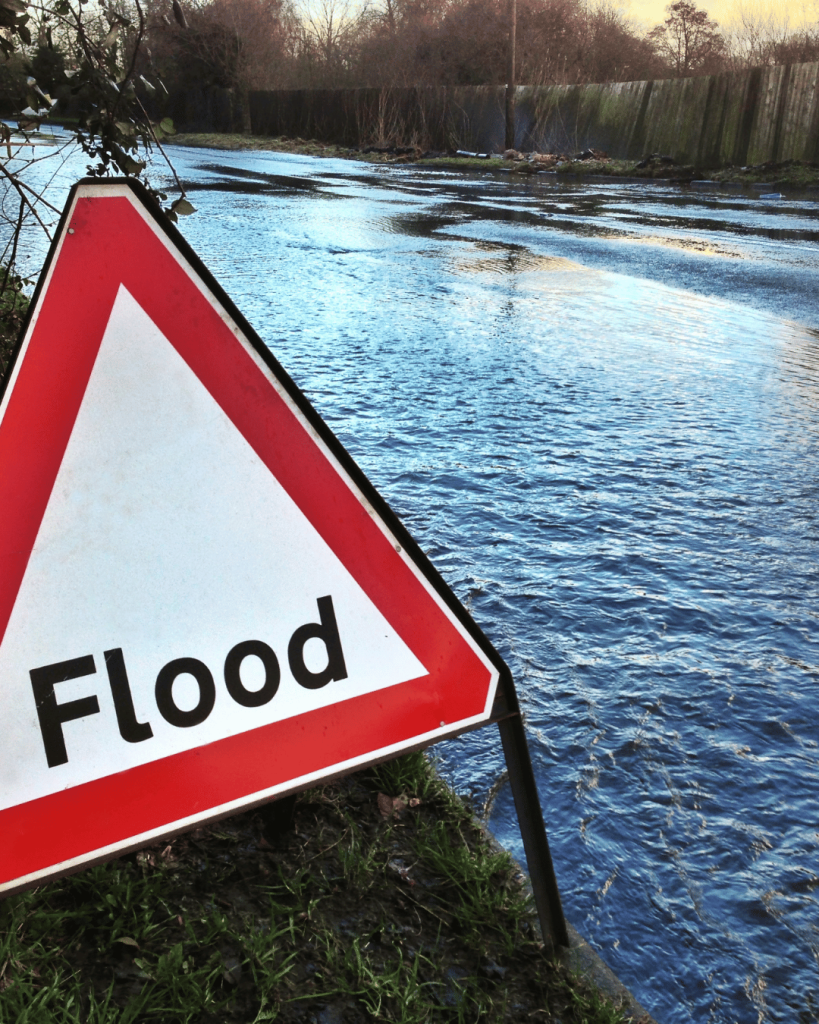
Most UK property policies operate on a “defined perils” basis, meaning they only cover specific events listed in your policy document. Common perils include fire, lightning, explosion, storm, flood and escape of water.
That last one causes more claims than almost any other peril in the UK. Escape of water refers to leaks from internal plumbing, tanks, or appliances, and it’s distinct from flood damage caused by external water sources.
Always check your policy wording because exclusions often lurk within peril definitions.
Key Roles: Loss Assessor vs. Loss Adjuster UK
What Does a Loss Assessor Do for the Policyholder?
A loss assessor works exclusively for you, the policyholder. They’re your professional representative in the claims process, preparing and presenting your claim to maximise your settlement.
Loss assessors understand policy interpretation, can identify coverage you might miss, and handle all communication with the insurer on your behalf. They typically charge a percentage of your final settlement or a fixed fee.
For complex or high-value claims, their expertise often recovers significantly more than you’d achieve alone.
The Role of the Insurance Company’s Loss Adjuster
The loss adjuster, by contrast, works for the insurance company.
Insurers appoint them to investigate claims, verify the cause and extent of damage, and recommend settlement amounts.
While loss adjusters must act fairly, their primary obligation is to their client: your insurer. Understanding the difference between loss assessor vs loss adjuster roles is crucial. One protects your interests, the other protects the insurer’s.
Navigating the Claims Process and Professional Representation
When Should You Hire a Loss Assessor?
You should consider appointing a loss assessor at the start of your claim, especially where the damage is significant or the situation feels unclear.
Many claims seem straightforward at first, but issues often arise as they progress. Delays, missing items, and differences in how damage is assessed are common, particularly after fire, escape of water, or storm damage.
For smaller, straightforward claims, some policyholders choose to manage things themselves. However, if the claim becomes disputed, progresses slowly, or something doesn’t feel right, it’s usually a sign that independent representation would help.
The Benefits of an Independent Loss Assessor UK
An independent loss assessor brings objectivity and experience to your claim.
They’ve handled hundreds of similar cases and have a technical understanding of the claims process .
Beyond maximising settlements, they save you time and stress during an already difficult period. Good assessors document thoroughly, obtain competitive repair quotes, and present claims in formats insurers find hard to dispute.
Their involvement often accelerates settlement timelines.
Valuation and Settlement Terms Explained
Indemnity vs. New for Old Basis
How your insurer calculates settlement depends on your policy’s basis of settlement. Indemnity means they’ll pay the current value of damaged items, accounting for age and wear.
A five-year-old sofa destroyed by fire won’t be replaced with a new equivalent: you’ll receive its depreciated value.
New for old policies replace items with new equivalents regardless of age, though some exclude clothing and household linen from this treatment. Check your policy schedule carefully because this distinction dramatically affects settlement amounts.
Betterment and Underinsurance Clauses
Betterment occurs when repairs would leave you better off than before the damage.
If your twenty-year-old boiler fails and needs replacement, insurers may deduct a percentage because you’re receiving a new unit. Underinsurance is more punitive: if your sum insured is inadequate, insurers can reduce settlements proportionally.
Insure your property for £200,000 when it would cost £400,000 to rebuild, and they might pay only 50% of any claim. Average clauses in commercial policies make this calculation automatic and painful.
Common Policy Conditions and Exclusions
Duty of Disclosure and Fair Presentation
UK insurance operates on principles of utmost good faith. You must disclose all material facts when taking out or renewing cover: previous claims, criminal convictions, property modifications, and anything that might influence an insurer’s decision. The Insurance Act 2015 introduced “fair presentation” requirements for commercial policies, demanding clear disclosure of relevant information. Failure to disclose can void your policy entirely, leaving you uninsured when disaster strikes.
Excess and Limits of Liability
Your excess is the amount you pay toward any claim before insurance kicks in. A £500 excess on a £5,000 claim means you receive £4,500. Some policies include compulsory and voluntary excess components. Limits of liability cap what insurers will pay for specific items or claim types. High-value items like jewellery often have sub-limits requiring separate specification. Always review these figures annually because inflation and acquisitions can leave you underprotected without realising it.
Understanding this terminology transforms you from passive claimant to informed negotiator. Keep this glossary handy throughout your claims journey, and don’t hesitate to seek professional guidance when the stakes justify the investment.
Property Insurance Claims UK Key Definitions
Property insurance claims
Claims made under buildings or contents insurance policies after damage such as fire, flood, storm or escape of water.
Loss assessor
A professional who represents the policyholder and manages the insurance claim on their behalf.
Defined perils
Specific risks listed in an insurance policy that are covered by the insurer.
Buildings insurance
Insurance covering the physical structure of a property including walls, roof and permanent fixtures.
Contents insurance
Insurance covering belongings inside the property such as furniture, appliances and personal possessions.
Conclusion
Understanding common insurance terms can make property insurance claims in the UK much easier to navigate. Knowing how policies define risks, settlements and responsibilities helps policyholders communicate more clearly with insurers and better understand how their claim is assessed.
For more complex claims or situations where the damage is significant, professional guidance can help ensure the claim is properly prepared and presented.
If you’re dealing with a complex or high-value claim, speaking with an experienced loss assessor can help ensure your claim is handled correctly from the start.
For free advice or to discuss your claim, call us on 0800 059 2144 or email info@brooklinclaims.co.uk.